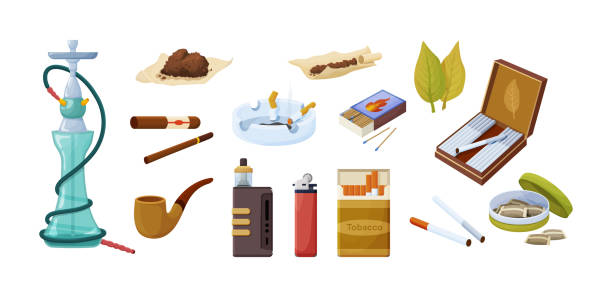
The tobacco industry in the United States is subject to a comprehensive regulatory framework, and businesses involved in selling tobacco products must navigate a complex web of laws to ensure compliance. State and local governments have implemented stringent tobacco license laws and Vape Licenses to regulate the sale and distribution of tobacco products, aiming to protect public health, especially considering the adverse effects of tobacco use. In this article, the laws of tobacco licenses and their implications for businesses in the United States are mentioned.
Tobacco Retailer Licensing
One of the fundamental requirements for businesses engaged in selling tobacco products is obtaining a tobacco retailer license. The license of tobacco is issued by the government of the United States The licensing process usually involves submitting a detailed application, paying the required fee, and meeting specific criteria set forth by the regulatory bodies.
Minimum Age Requirements
To curb tobacco, use among young individuals, the Tobacco 21 law, enacted in December 2019, raised the minimum age for purchasing tobacco products to 21 years at the federal level. Most states have age restrictions and strict orders against the violation. Businesses must ensure that their staff diligently verify the age of customers before selling any tobacco products.
Local Regulations
In addition to state-level laws, local jurisdictions often have specific regulations regarding tobacco sales. These may include additional licensing requirements, zoning restrictions, display limitations, and packaging mandates. Businesses must be vigilant in identifying and adhering to these local laws to avoid potential legal repercussions.
Tobacco Product Restrictions
To address concerns about the appeal of tobacco products to younger consumers, some states and localities have implemented restrictions on the sale of flavored tobacco products, electronic cigarettes, and other tobacco-related items. These measures aim to discourage tobacco use among youth and protect public health.
Taxes and Reporting
Businesses involved in the sale of tobacco products are responsible for collecting and remitting applicable state and federal tobacco taxes. Additionally, regular reports on sales and tax payments may be required to be submitted to the respective government agencies. To prevent fines and retain a legal operation, proper record-keeping and tax compliance are crucial.
Advertising and signs
At the federal and state levels, rigorous laws govern tobacco advertising. Guidelines that govern how tobacco products can be displayed and promoted within their premises must be adhered to by businesses. Prominent display of health warning signs detailing the risks associated with smoking is required to inform customers about the potential health hazards.
Tobacco Sales to Retailers
Wholesalers and distributors of tobacco products may also be subject to licensing requirements in certain states. Retailers must obtain these additional licenses before engaging in transactions involving the sale of tobacco products.
Penalties for Non-Compliance
Non-compliance with tobacco license laws can result in severe consequences for businesses. Violating the rules can cause fines, suspension, or strict actions against the person. Moreover, persistent non-compliance may result in criminal charges, putting the business’s reputation and viability at risk.
Conclusion
The United States designed the tobacco license laws to promote public health. They protect consumers from the harmful effects of tobacco use. Businesses that sell tobacco products must be aware of the specific laws and rules. They apply these rules to their state and local jurisdiction to be in compliance.
To navigate the complexities of tobacco license laws, businesses should seek legal counsel and stay abreast of any updates or changes to the regulations. By doing so, they can run their operations responsibly, protect public health, and ensure long-term success within the bounds of the law.



 Tax and License
Leave a comment