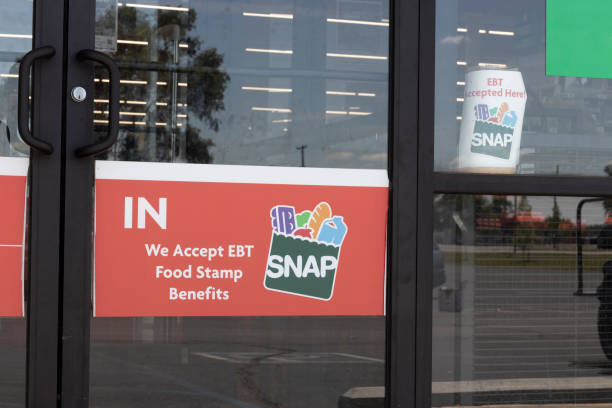
Modern finance requires balancing food aid applications. These programs ensure access to vital nutrients for low-income families and individuals. Electronic Benefit Transfer (EBT) devices, usually connected with food stamps, assist low-income people make ends meet.
If a $1,800 monthly earnings qualifies for food stamps is a common question. Prices, yields, and household size determine EBT food stamp eligibility. These program participants must understand these parameters.
This content explores incomes and support, including whether a $1,800 monthly income qualifies a person for EBT food stamps. We will examine the eligibility criteria to explain how these programs help persons with financial hardship. Our analysis of the complex relationship between profit levels and food stamp eligibility aims to simplify government assistance programs for readers.
Eligibility for Food Stamps
Those seeking assistance must understand the Electronic Benefit Transfer (EBT) system used for food stamps.
Federal poverty limits
Many assistance programs, notably EBT food stamps, have income thresholds imposed by the Federal Poverty Guidelines. These guidelines take into account household size to tailor aid to individuals and households. Federal Poverty Guidelines set profit thresholds for several aid programs, including EBT food stamps. These guidelines take into account family length to tailor aid to individuals and households.
Considerations for Gross and Net Income
Eligibility begins with gross earnings paperwork. All pre-tax income is included. Assessing EBT food stamp capacity requires knowledge of gross earnings calculation. Considering permissible deductions, net profits provide a more true picture of a character or family’s finances. Food stamp eligibility depends on net income, which covers essential living expenses.
Deductions, Allowable Costs
Net earnings depend on deductions. Fees like lease or loan payments, utilities, and daycare are deducted from gross wages to determine food prices. No one is penalized for essential costs with this nuanced approach. Assessing eligibility requires understanding how deductions and levies affect net earnings.
Monthly Salary Analysis
The right net profit willpower determines EBT food stamp eligibility. Food aid applications can adapt their guidance to persons with true needs by considering net earnings, aligning with their overall goal of helping those in financial need.
Assessing Gross Income
Estimating EBT food assistance eligibility begins with gross income. Before deductions and taxes, it includes all earnings. Assessing $1,800 monthly earnings requires considering how they are calculated, revealing the financial situation of a person seeking assistance. Gross revenues include wages, salaries, and other profit streams. Gross earnings are essential for defining a person’s economic status and food stamp eligibility.
Net income calculation
Allowable pricing and deductions are needed to convert gross earnings to net income. Gross profits are reduced to cover essential living expenses. It provides a more realistic financial asset illustration, which is required for EBT food assistance eligibility. Help-seekers need accurate net earnings calculations. To determine a parent’s genuine economic status, fees, rent or loan obligations, utilities, and childcare fees are considered. This careful method ensures financial hardship sufferers get help.
Conclusion
Finally, EBT food stamp eligibility requires a thorough analysis of gross revenues and net income for a $1,800 monthly income. People seeking food stamp help must understand the complex relationship between those financial difficulties. Gross profits are all profits before deductions or taxes. Start eligibility assessment with this financial picture. However, net profits after deductions and permitted expenses reflect financial need. This precise strategy shows assets for significant living prices.



 Tax and License
Leave a comment