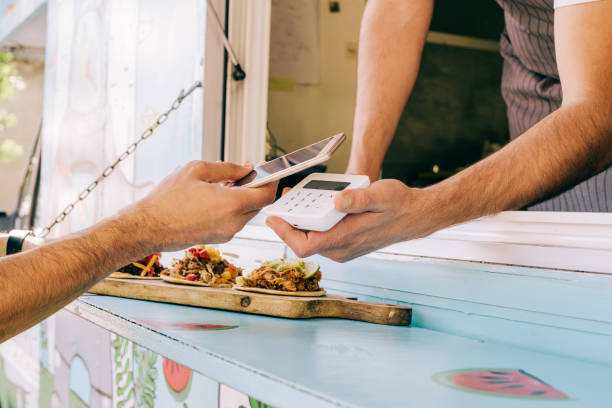
Starting a mobile food business in New York State (NYS) offers a lucrative opportunity for culinary entrepreneurs. However, obtaining a mobile food vendor license in NYS is essential to operating legally and successfully. This comprehensive guide walks you through the steps and requirements for securing your license, ensuring your food truck or cart is ready to serve delicious dishes across NYS.
Understanding the Importance of a Mobile Food Vendor License in NYS
A mobile food vendor license in NYS is mandatory for anyone looking to sell food from a mobile unit, whether a food truck, cart or stand. This license ensures that vendors meet health and safety standards, protect consumers from foodborne illnesses, and ensure high hygiene and quality.
Types of Mobile Food Vendor Licenses
Full-Time Mobile Food Vendor License
This license is for vendors who plan to operate their mobile food business full-time. It covers all aspects of mobile food vending, including food trucks and stationary carts.
Seasonal Mobile Food Vendor License
For those who wish to operate only during specific seasons, this license allows vendors to sell food during peak seasons like summer or holidays.
Temporary Mobile Food Vendor License
Temporary licenses are ideal for vendors participating in short-term events such as fairs, festivals, and markets. These licenses are typically valid for the duration of the event.
How to Get a New York State License to Sell Mobile Food
Understand Local Regulations
Before starting the application process, familiarize yourself with local regulations in your specific area of NYS. Each city or county might have additional requirements or restrictions.
Complete a Food Protection Course
One of the primary requirements for obtaining a mobile food vendor license in NYS is completing a food protection course. This course covers essential food safety practices and is usually offered by the New York City Department of Health (DOH) or equivalent local health department.
Pass the Food Protection Exam
After completing the course, you must pass the food protection exam. This exam tests your knowledge of food safety principles and practices. The license process can only proceed with a passing score.
Submit the Mobile Food Vending Permit Application
Next, submit your mobile food vending permit application to the local authority. This application typically requires detailed information about your business, including your menu, equipment, and intended operating locations.
Obtain a Commissary Letter of Agreement
A commissary is a licensed facility where mobile food vendors can store, prepare, and clean their equipment and products. You must secure a commissary letter of agreement, which confirms that you have access to a licensed commissary for your operations.
Schedule a Health Inspection
Your mobile food unit must undergo a health inspection by the local health department. This inspection ensures that your unit meets all health and safety standards. Be prepared for inspectors to check your equipment, storage practices, and overall cleanliness.
Pay the Required Fees
Various fees are associated with obtaining a mobile food vendor license in NYS. These fees cover the application, food protection course, exam, and inspection. Make sure to budget for these costs.
Receive Your License and Permit
Once you have completed all the necessary steps and passed the health inspection, you will receive your mobile food vendor license and permit. Display these documents prominently on your mobile unit to show compliance with local regulations.
Operating a Mobile Food Business in NYC
New York City (NYC) has its regulations for mobile food vendors. If you plan to operate in NYC, you must obtain a mobile food vendor license in NYC. The process is similar to the state requirements but includes additional steps specific to the city.
NYC Mobile Food Vending Unit Permit
In addition to the vendor license, you need an NYC mobile food vending unit permit. This permit applies to the vehicle or cart you use for your business.
NYC Health Code Requirements
Ensure your mobile unit meets all NYC health code requirements. It includes having a sink with hot and cold running water, proper refrigeration, and adequate waste disposal systems.
Vending Location Permits
In NYC, vending locations are regulated, and you may need additional permits to operate in specific areas or during particular events. Research the places where you plan to manage and secure the necessary licenses.
Renewal and Compliance
NYC mobile food vendor licenses and permits must be renewed periodically. Stay updated with renewal deadlines and ensure ongoing compliance with health and safety regulations to avoid penalties.
Benefits of Obtaining a Mobile Food Vendor License
Legal Compliance
Operating without a mobile food vendor license in NYS can result in fines, penalties, and the potential shutdown of your business. A valid permit ensures you comply with state and local laws.
Consumer Trust
Having a license builds trust with your customers. It shows that you adhere to health and safety standards, which can attract more customers and boost your reputation.
Access to Events
Many events and locations require vendors to have a valid license to participate. Obtaining your license opens selling opportunities at popular events, festivals, and prime locations.
Business Growth
A licensed mobile food business can expand more efficiently. You can scale your operations, add more units, and explore new markets within NYS and beyond with proper licensing.
Common Challenges and How to Overcome Them
Navigating Bureaucracy
Obtaining a mobile food vendor license involves dealing with multiple government agencies. Stay organized, keep track of all requirements, and don’t hesitate to seek professional assistance if needed.
Health and Safety Compliance
Meeting health and safety standards can be challenging, especially for new vendors. Regularly review guidelines, attend refresher courses, and conduct self-inspections to ensure ongoing compliance.
Competition
The mobile food industry is competitive. Differentiate your business by offering unique menu items, excellent customer service, and maintaining high hygiene and quality standards.
Conclusion
Obtaining a license for selling food in NYS is crucial for anyone looking to enter the vibrant mobile food industry. By following the steps outlined in this guide, you can ensure a smooth licensing process and set your business up for success. Remember to stay informed about local regulations, complete the necessary training, and maintain high health and safety standards.





Leave a Reply